

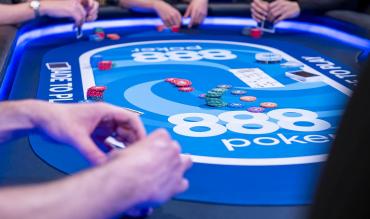

Poker night is one of the most popular social traditions around, and setting one up is easier than most people think. This guide covers everything you need: equipment, table setup, stakes, food, and how to run the game.
Whether it's your first time hosting or you're looking to run a tighter, more enjoyable game, this is your start-to-finish reference.
What Is a Poker Night?
A poker night is a private, self-organised poker game hosted at home or in a booked space and played among friends, family or colleagues instead of in a casino cardroom. One player hosts, supplies the equipment and handles the money. There's no rake and no cardroom taking a cut of the pots.
The format is whatever the group agrees on. Most poker nights run either a cash game, where chips equal money and players come and go as they please, or a tournament, where everyone pays a fixed buy-in and plays until one stack is left.
What Equipment Do You Need for Poker Night?
Poker Chips
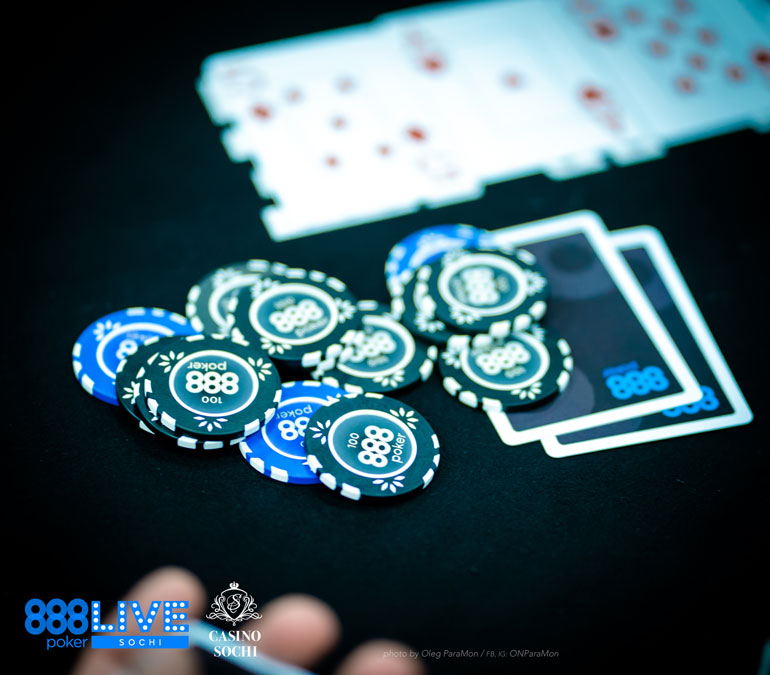
A standard chip set is the first thing to source. Chip sets are widely available online, typically ranging from $30-$70 for 300-piece sets. Higher-end options use clay composite chips that feel closer to casino quality. Some sets include playing cards.
For a personalised touch, custom chip sets allow you to choose colours, denominations, and graphics.
For a standard home game of 6-8 players, a 300-piece set is sufficient. Go to 500 pieces for larger groups or deeper stacks.
Playing Cards
- Paper cards work fine for a one-off game and are available at any supermarket or retail store. Remove the jokers unless you're playing wild card variants.
- Plastic cards (e.g. Copag, KEM, Faded Spade) are the better long-term investment. They don't bend, mark, or wear out, and last for years.
Always play with two decks – one in play, one being shuffled by the next dealer. This keeps the game moving.
Dealer Button
Any game with blinds (including Texas Hold'em) needs a dealer button. Most chip sets include one. If not, any distinct object works: a coin, a different-coloured chip, a coaster.
How to Set Up the Poker Table
Surface
A kitchen table is a perfectly acceptable starting point. If you want to protect the surface and improve playability, a basic felt table topper starts at around $15 and makes a meaningful difference, with chips sliding cleanly and cards being easier to pick up.
Felt tops with cup holders and built-in chip trays offer more comfort and run $30–$60. Dedicated poker tables start at around $100 for basic folding models and go significantly higher for round, furniture-grade tables with reversible tops.
The table surface doesn't affect the quality of the game, but a felt surface reduces friction and protects your furniture.
Seating
Count your confirmed players before the night and make sure you have enough chairs. Folding chairs are easy to borrow and take up minimal space. A player left standing before the first hand is an avoidable problem.
What Kind of Poker Night Are You Hosting?
Decide the type of night before you set the stakes, because it shapes the structure and the atmosphere as much as the equipment does:
- A relaxed game among friends, where the company matters more than the poker
- A serious game for players who want a real contest, with deeper stacks and fewer distractions
- A pre-drinks session before a night out, with a hard stop built in
- A themed party built around the game, including strip poker for groups who know each other well
- A mixed-ability night with colleagues or family, where the priority is that nobody feels lost
Match the setup to the goal. A serious game wants deeper stacks and a longer structure. A party wants shorter formats and something for people to do once they bust, whether that's a second table, a screen, or food away from the game.
How Many Players and What Stakes?
Player Count
Texas Hold'em plays well with 4–9 players at a single table. Fewer than four makes for a limited game; more than nine and you'll likely need a second table or a different format.
Setting the Stakes
Set stakes before the night begins, not at the table. Agreed-on stakes prevent awkwardness and let players budget accordingly. Three levels cover almost every home game:
- Low or social, $0.25/$0.50 blinds: beginners, mixed groups and first-time nights.
- Mid, $1/$2 blinds: regular home games with experienced players.
- Higher, $2/$5 blinds: established groups comfortable with real stakes.
For groups with mixed experience levels, keep it low. A low-stakes night lets newer players learn without the fear of meaningful losses.
Make sure you have enough small denominations (ones, twos) on hand to pay out winnings accurately at the end of the night.
Teaching New Players
Keep a printed hand rankings chart at the table for newer players. A low-stakes or play-money session for the first hour is a good way to bring everyone up to speed before real money is on the line.
Food and Drinks for Poker Night
Keep food simple and shareable. The focus is the game, not the meal.
Main food options: Pizza, sandwiches, tacos, or a pot of chilli in cooler months are reliable choices that require minimal plates and cutlery.
Snacks: Mixed nuts, chips and dip, pretzels, and beef jerky work well at the table. For health-conscious guests, add a cheese board or a vegetable platter.
Drinks: BYOB is the standard approach for home games. Designate a space for drinks away from the table. Liquid and poker chips are a bad combination.
How to Run a Texas Hold'em Home Game
Starting the Game
Deal one card face-up to each player. The player with the highest card takes the dealer button for the first hand. Ties are broken by suit (spades > hearts > diamonds > clubs) or by redealing to tied players.
The Deal and Button Rotation
The button moves one seat clockwise after every hand. The dealer deals two hole cards to each player, starting left of the button.
Blind Structure
- The small blind sits immediately left of the button.
- The big blind sits left of the small blind.
- All players must post their blinds before cards are dealt.
Banking the Game
Designate a "bank" at the start of the night. All buy-ins go into the bank. All payouts come from the bank. This keeps accounting clean and prevents end-of-night disputes.
One legal point is worth knowing: in several countries it's illegal for the host of a home game to take a rake. Check the rules where you live before taking a cut of any pot.
Table Stakes Rules
- Players may only bet what is in front of them on the table.
- Players may rebuy between hands; they may not add chips mid-hand.
- Any money brought to the table must remain in play and is counted as part of a player's stack.
All-Ins and Side Pots
When a player goes all-in and is called by multiple players:
- A main pot is created, which the all-in player is eligible to win.
- A side pot is created from the additional chips, which only the non-all-in players contest.
- The all-in player cannot win the side pot.
Side pots must be tracked separately from the moment they're created – don't leave it until showdown.
Running a Tournament
Poker tournaments work well for groups with mixed experience because every player knows their maximum loss upfront (the buy-in).
Key decisions to make before the tournament:
- Starting stacks: How many chips does each player start with?
- Blind levels: How long is each level, and how much do blinds increase?
- Payout structure: How many places are paid, and at what percentage?
For beginner groups, paying out more places (e.g. top 3 from a table of 8) means more players leave with a positive result. Our guide to playing poker with chips includes a sample blind schedule you can copy, and 888's poker timer keeps track of the levels on the night.
Poker Night Checklist
- Chip set (300+ pieces for 6–8 players)
- Two decks of cards (jokers removed)
- Dealer button
- Enough chairs for all confirmed players
- Table felt or surface protection
- Agreed stakes communicated to all players in advance
- Enough small denominations for payouts
- Hand rankings chart for newer players
- Bank set up and designated before play begins
- Food and drinks sorted
Key Takeaways
- A 300-piece chip set and two plastic card decks are the minimum investment for a recurring home game.
- Decide the type of night first. It shapes the stakes, the format and the atmosphere.
- Set and communicate stakes before the night, never at the table.
- Run a bank from the start: all buy-ins in, all payouts out.
- Use two decks: one in play, one being shuffled. It keeps the game moving.
- For mixed groups, keep stakes low and have poker hand rankings visible.
- Tournaments are ideal for beginners: fixed buy-in, clear structure, defined endpoint.
- Side pots must be tracked from the moment they're created.
- Keep food simple and shareable. BYOB keeps costs off the host.
