


Updated for 2026. This guide has been fully reviewed and updated to reflect modern poker strategy, evolving player behaviour, and the latest insights into reading body language and physical tells in live games.
Body language in poker refers to physical movements and behavioural patterns that can reveal information about an opponent’s hand strength, confidence, or level of focus. These live poker tells can include eye movement, posture, hand gestures, facial expressions, voice changes, and how players handle their chips.
Body language tells are most useful in live poker, but they should never replace solid strategy. For a broader overview of all tell types, including online and verbal tells, read our complete poker tells guide.
What Is Body Language in Poker?
Body language in poker is any physical behaviour that may give away information about a player’s hand or emotional state. The key is not to treat one action as proof, but to compare it with the player’s normal behaviour.
A player who is usually relaxed but suddenly becomes tense, quiet, focused, or unusually active may be revealing that the hand matters more than usual.
Why Poker Body Language Tells Matter
In live poker, players often reveal information without realising it. Small changes in posture, eye movement, hand activity, or speech can help you understand whether an opponent is comfortable, nervous, strong, weak, or uncertain.
- Posture: sudden changes in focus or interest.
- Eyes: quick glances at chips, cards, or opponents.
- Hands: chip handling, trembling, or card checking.
- Voice: changes in tone, confidence, or willingness to speak.
- Overall behaviour: whether a player acts differently from their default pattern.
7 Body Language Poker Tells to Watch
1. Eye Movement
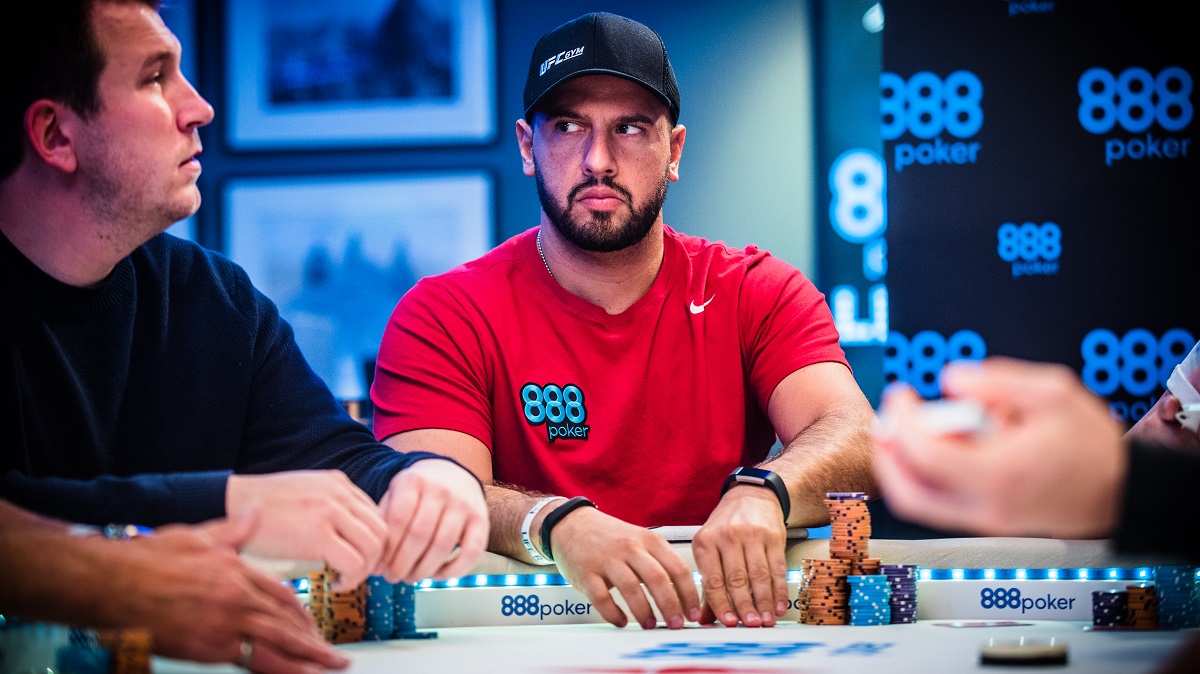
The eyes can reveal where a player’s attention goes after a card is dealt or a bet is made. A quick glance at chips may suggest interest in betting, while a sudden stare-down may sometimes be an attempt to appear strong.
2. Mouth and Facial Expressions
The mouth can show tension, nerves, or relaxation. Tight lips, small twitches, or brief micro-expressions may reveal emotional pressure, especially in big pots.
These signals are not always reliable by themselves, but they can become useful when they appear as a sudden change from a player’s normal behaviour.
3. Heartbeat and Physical Tension
Excitement or pressure can sometimes show through trembling hands, a pulsing vein, or a quivering voice. This may happen when a player is holding a very strong hand or attempting a major bluff.
The important part is context. Physical tension does not automatically mean weakness or strength; it tells you the situation is emotionally significant for that player.
4. Voice and Speech Patterns
A player’s voice can reveal confidence, nervousness, or relaxation. Some players become quiet when focused, while others start talking more when they feel comfortable.
For a deeper look at speech-based reads, see our guide to verbal poker tells.
5. Hand Movements and Chip Handling
How a player handles chips can sometimes reveal their comfort level. Forceful chip movement may be an intimidation tactic, while calm chip handling can suggest confidence.
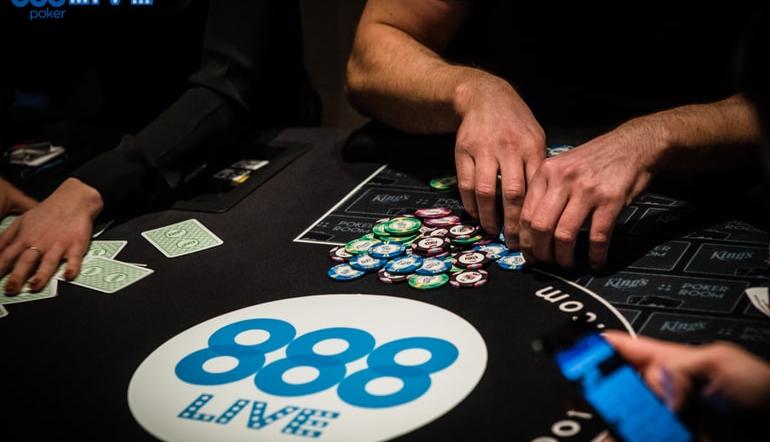
Players may also reveal information through chip tricks, sudden stillness, or changes in how they place bets. For more examples of physical tells, visit our poker tells guide.
6. Card Protectors and Table Objects
Some players use card protectors consistently, while others only use them in certain situations. A sudden change in how a player protects their cards may indicate a shift in focus or hand strength.
7. Overall Posture and Demeanour
One of the strongest body language clues is a sudden change in posture. A relaxed player who suddenly sits forward, focuses on the action, and stops chatting may have found a hand worth playing.
Posture tells are especially useful when combined with betting patterns, table position, and hand history.
How to Read Poker Body Language Correctly
The biggest mistake is assuming one tell always means the same thing. Body language only becomes useful when you first understand a player’s default profile.
- Watch how the player behaves in normal situations.
- Look for sudden changes during important hands.
- Compare physical tells with betting behaviour.
- Use tells only as supporting evidence.
- Be careful against experienced players who may fake tells.
Body Language vs Online Poker Tells
Body language tells are mainly relevant in live poker because you can see your opponents. In online poker, tells usually come from timing, bet sizing, chat behaviour, and repeated betting patterns.
If you also play online, read our online poker tells guide to understand how digital behaviour can reveal useful information.
Common Mistakes When Reading Body Language
- Assuming one tell always means strength or weakness.
- Ignoring the player’s normal behaviour.
- Overvaluing tells instead of using poker strategy.
- Forgetting that strong players may use reverse tells.
- Making big decisions based on one physical action.
Frequently Asked Questions
What is the most common body language tell in poker?
One of the most common body language tells is a sudden change in posture or focus. A relaxed player who suddenly becomes alert may be more interested in the hand.
Are poker body language tells reliable?
They can be useful, but they are not always reliable. The same tell can mean different things depending on the player and the situation.
What does strong eye contact mean in poker?
Strong eye contact can sometimes indicate weakness or intimidation, but it depends on the player. Sudden changes in eye contact are more important than eye contact itself.
Can players fake body language tells?
Yes. Experienced players may use reverse tells by acting weak when strong or strong when weak.
Final Thoughts
Body language can help you read opponents in live poker, but it should be used carefully. The best approach is to observe each player’s normal behaviour, look for meaningful changes, and combine those reads with solid poker strategy.
