



Updated for 2026. This guide has been reviewed and updated to reflect modern live poker behaviour, communication patterns, and the latest insights into verbal poker tells.
Verbal poker tells are clues revealed through what players say and how they say it during a hand. Speech, tone, timing of conversation, and choice of words can all provide insight into an opponent’s confidence, emotional state, and potential hand strength.
While verbal tells are most common in live poker, they should always be used alongside solid strategy. For a complete overview of all poker tells, visit our poker tells guide.
What Are Verbal Poker Tells?
Verbal poker tells refer to any information gained from a player’s speech during a hand. This includes direct statements, casual conversation, tone of voice, and overall willingness to talk.
- Statements about their hand
- Comments directed at opponents
- Changes in tone or confidence
- Talking frequency during key moments
Unlike physical tells, verbal tells often reflect a player’s mindset and level of comfort in a situation.
Common Verbal Poker Tells
1. Weak Statements Often Mean Strength
Players who make statements that downplay their hand — such as “I guess I’ll call” or “You probably have me beat” — often hold strong hands. These statements reduce perceived strength and may be used subconsciously or deliberately.
2. Silence from a Talkative Player
If a player who normally talks becomes quiet during a hand, it often indicates focus and interest. This can suggest a stronger hand or a situation they care about.
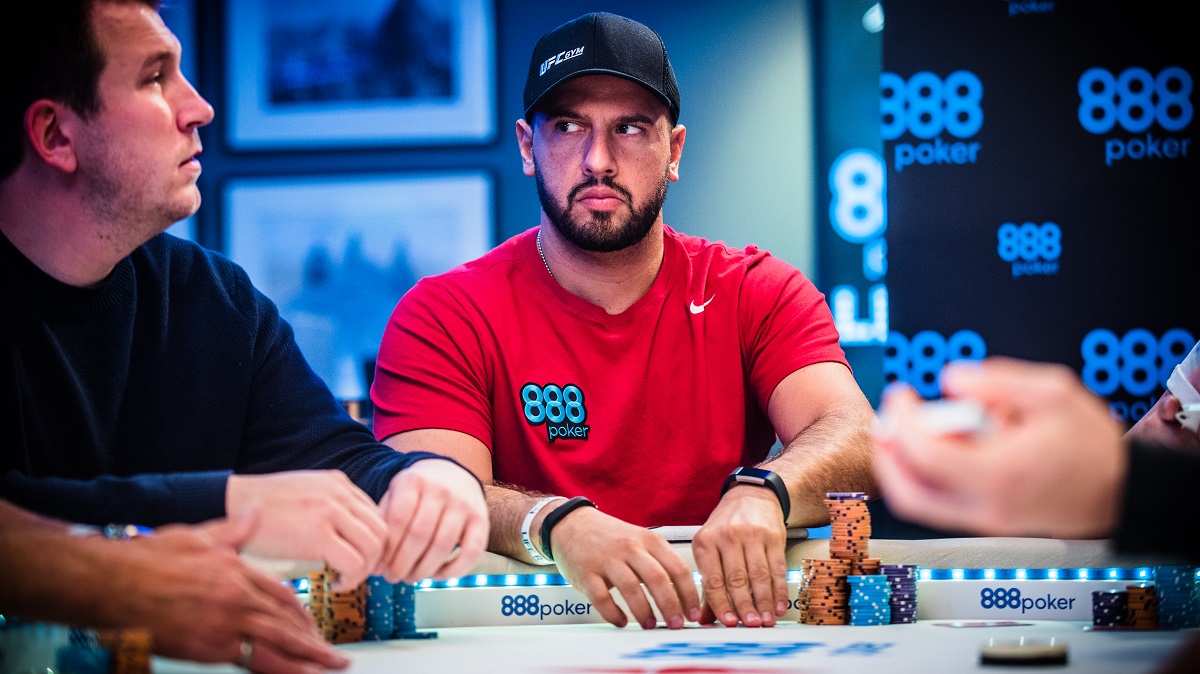
3. Talking During Big Bets
Players who speak confidently while making large bets are often relaxed. Relaxation can indicate strength, especially in experienced players.
4. Overexplaining or Rambling
Some players talk excessively to distract or confuse opponents. This behaviour can sometimes indicate weakness, but it can also be used as a strategy by experienced players.
5. Emotional Reactions
Complaining about bad luck, showing frustration, or reacting strongly to previous hands can indicate tilt. These players are often easier to exploit.
How to Use Verbal Poker Tells
- Listen carefully to what players say and how they say it
- Compare speech patterns to normal behaviour
- Look for changes during important hands
- Combine verbal tells with betting patterns and timing
Verbal tells are most effective when used together with other signals. Learn how timing affects decisions in our online poker tells guide.
Verbal Tells vs Other Poker Tells
- Verbal tells: speech, tone, and interaction
- Physical tells: body language and movement
- Online tells: timing and betting patterns
To understand physical behaviour, see our body language in poker guide.
Common Mistakes
- Taking statements too literally
- Ignoring the player’s normal behaviour
- Overvaluing speech without context
- Forgetting that experienced players may mislead
Frequently Asked Questions
Are verbal poker tells reliable?
They can be useful, but they are not always reliable. Context and player tendencies are critical.
What is a weak statement in poker?
A weak statement is when a player downplays their hand strength. This often indicates a strong hand.
Do professional players use verbal tells?
Yes, some experienced players use speech deliberately to influence opponents.
Should beginners rely on verbal tells?
No. Beginners should focus on strategy first and use verbal tells as supporting information.
Final Thoughts
Verbal poker tells can give valuable insight into an opponent’s mindset, but they should never replace solid strategy. The best players combine observation, psychology, and technical knowledge to make better decisions over time.
