

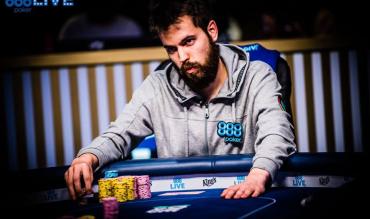

A poker face is a neutral, controlled expression that reveals nothing about the strength of your hand. It's one of the most important skills in live poker and one of the most underestimated.
Your face, posture, eyes, betting rhythm, and even your clothing all feed information to your opponents. Developing a poker face means cutting off that information at the source, consistently, in every hand, regardless of what you're holding.
What Is a Poker Face?
A poker face is the ability to maintain a neutral expression and controlled behaviour at the table so that opponents can't determine whether your hand is strong or weak. It covers more than facial expression – it includes posture, eye movement, betting tempo, speech, and physical composure.
The term is used casually in everyday life to describe emotional composure under pressure. In poker, it refers to a specific, learnable set of habits that experienced players practise deliberately. It isn't a natural gift. It's a skill built through self-awareness and repetition.
Why Does a Poker Face Matter?
Poker is a game of incomplete information. The less your opponents can read from your behaviour, the more decisions they have to make on incomplete data, which works in your favour.
Without a poker face, you give away free information on every hand: which cards excite you, which flops miss you, when you're bluffing, and when you're strong. In a game decided by marginal edges, that's a significant disadvantage.
How to Identify Your Own Tells
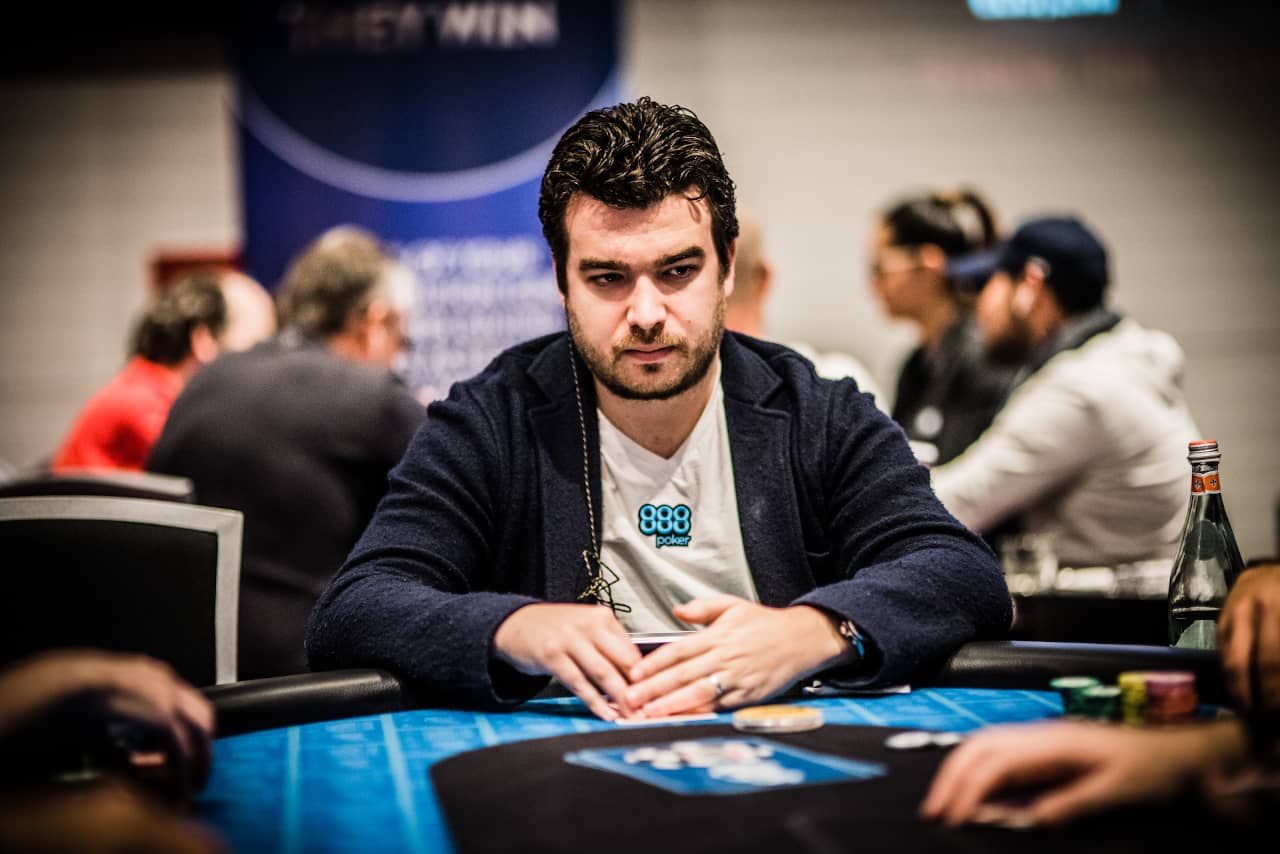
The foundation of a poker face is knowing what you're already giving away. You can't conceal a tell you haven't recognised.
Common self-tells to look for:
- Glancing at your chips immediately after a card you like hits the board
- Staring at the board when a card misses you, as if trying to find something that isn't there
- Trembling hands or a change in betting motion when you're bluffing
- Smiling, sitting forward, or a visible change in energy with a strong hand
- Acting faster or slower than usual depending on hand strength
The most reliable way to identify your tells is to record yourself playing and watch the footage back, or ask someone you trust to watch you and give honest feedback. What you notice from the outside often surprises you. Once you know your tendencies, you can build your poker face around correcting them.
How to Control Your Body Language at the Poker Table
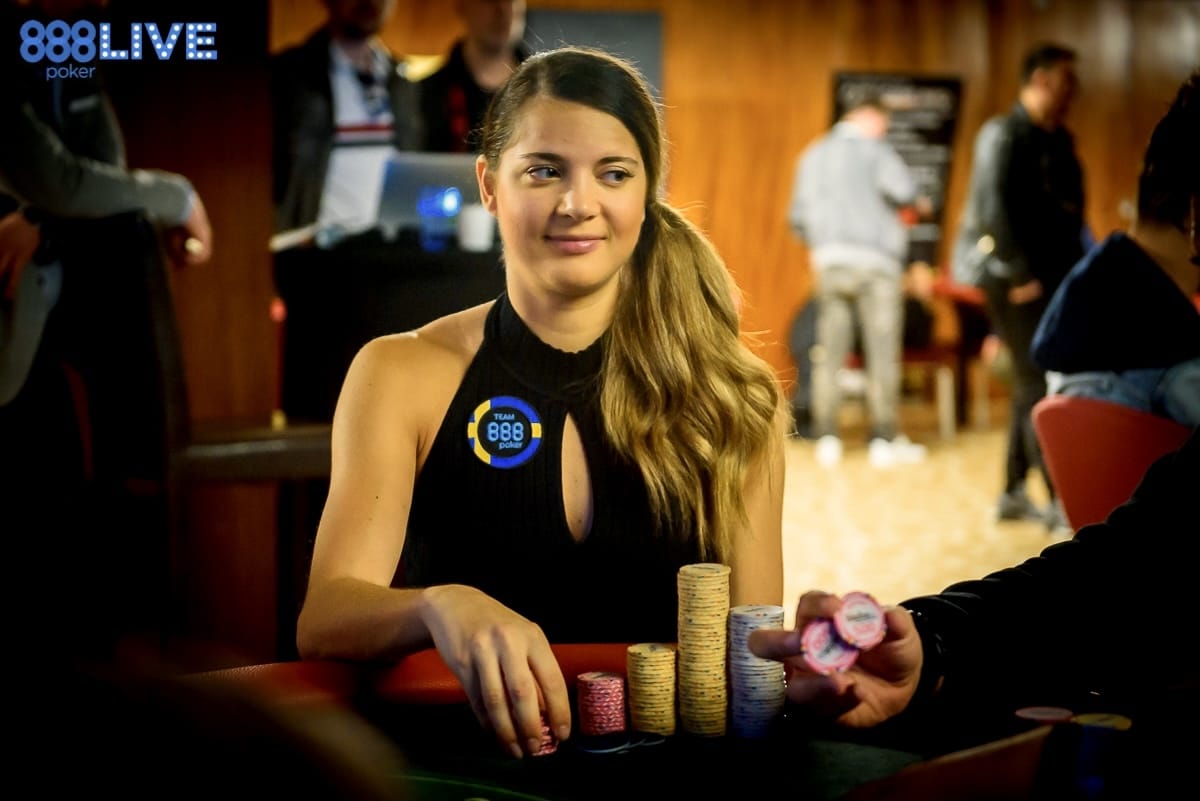
Body language leaks more information than most players realise. Controlling it is central to maintaining a poker face.
Four areas to manage:
- Eyes. Fix your gaze consistently regardless of the board. The chip glance – an involuntary look at your stack when a good card hits – is one of the most common and readable tells at any table. Eliminate it entirely.
- Hands. Keep them in the same position whether you're value betting or bluffing. A change in how you reach for chips, or a tremor under pressure, are immediately visible to an attentive opponent.
- Posture. Sitting forward when excited and slumping when disappointed are near-universal tells. Maintain a neutral, consistent position in your chair throughout every hand.
- Betting tempo. Place chips at the same speed and with the same motion every time. A sudden change in how you put out a bet – hesitating, over-deliberating, or moving too fast – is information your opponent can use.
For a deeper breakdown of how physical tells work and what to watch for in opponents, see our guide to body language in poker.
How to Control Your Emotions at the Poker Table
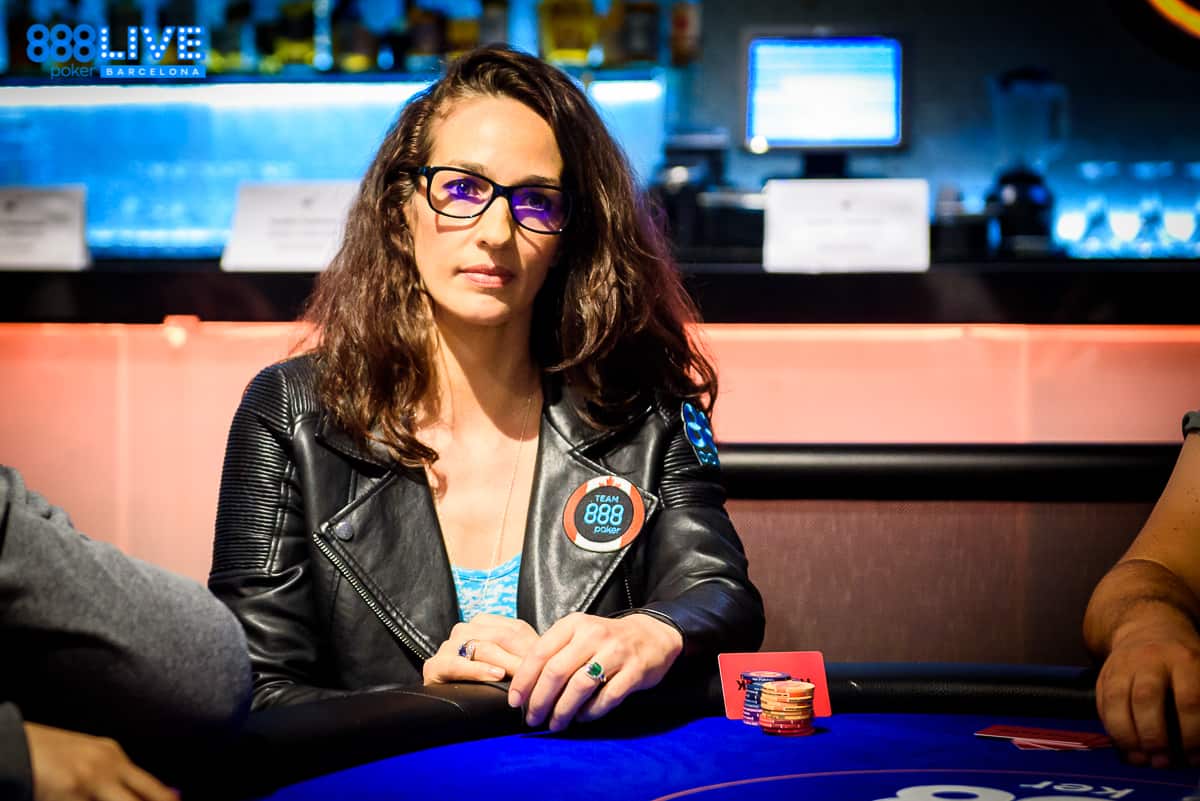
Emotional control is the hardest part of developing a poker face, and the most important.
Poker produces big emotional swings. A bad beat, a cooler, a bluff that gets called – all of them trigger a visible reaction in most players. That reaction is what your opponents are waiting for. The goal is to stop it from surfacing.
Practising emotional dissociation means learning to separate what you feel from what you show. In practical terms:
- No visible reaction to bad beats, missed draws, or unexpected river cards
- No change in energy or posture after winning a large pot
- Treating each hand as completely isolated from the results of previous hands
This is also the primary defence against tilt in poker. When your emotional state stops influencing your visible behaviour, opponents lose one of their most useful reads. Emotional dissociation takes consistent practice, but it's the difference between a player who's hard to read and one who's impossible to read.
Why Consistency Is the Core of a Poker Face
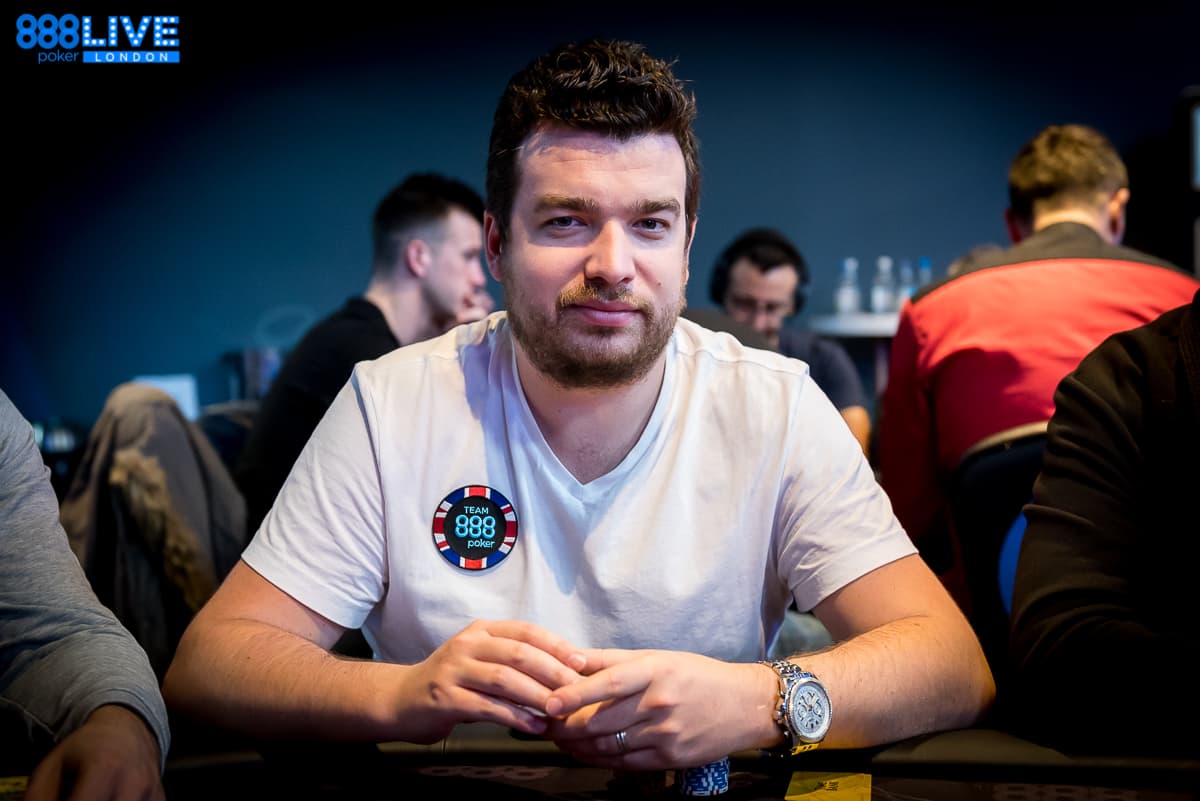
A poker face isn't a single expression you put on for big hands. It's a consistent pattern of behaviour that makes you unreadable in every situation.
There's no universal approach. Some players, like Chris Ferguson and Phil Hellmuth, use sunglasses and hats and adopt a deliberately static, statue-like presence. Others, like Daniel Negreanu, present themselves openly but have developed such strong emotional discipline that observing them provides nothing useful.
What matters is that your approach is consistent:
- If you wear sunglasses, wear them on every hand, not just when the pot is big
- If you keep your hands visible, keep them in the same position every time
- If you avoid eye contact, do so consistently – selective avoidance is itself a tell
Chris Ferguson famously practised in front of a mirror, working through his chip-handling motion, hand placement, and resting posture until every action looked identical regardless of his cards. That level of deliberate repetition is how consistency becomes automatic.
Should You Talk During a Poker Hand?
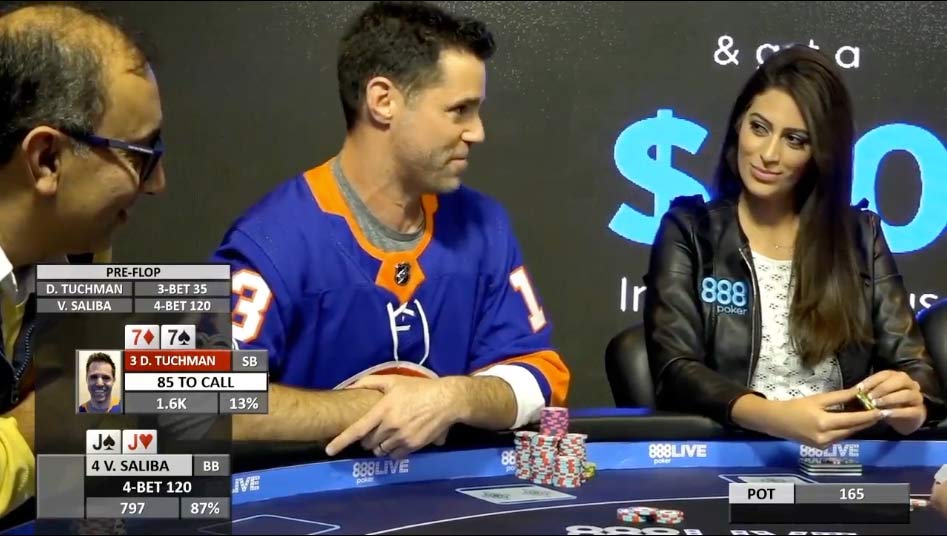
For most players, the answer is no.
Speech is one of the least-controlled sources of information at a live table. Tone of voice, hesitation, word choice, and how you respond to questions all create openings for an observant opponent to exploit. When you speak during a hand, you give up control of the information environment.
Some players use table talk deliberately. Daniel Negreanu is widely regarded as one of the best at using conversation to manipulate opponents' decisions. During the 2016 WSOP Main Event, Will Kassouf used aggressive speech play to destabilise opponents to notable effect. But both are practised exceptions to a general rule.
The default position: say nothing during a hand unless you have a specific, well-practised reason to. Silence forces your opponent to work entirely from incomplete information. Speech play is a learnable skill, but until you've developed it deliberately, your poker face is stronger without it.
Does What You Wear Affect Your Poker Game?

Yes. Your appearance creates a first impression before you've played a hand, and experienced opponents read it.
Three common reads based on appearance:
- Sweatpants, headphones, backpack: Likely an experienced grinder who's come to play seriously. Opponents will adjust accordingly.
- Conservative shirt and trousers: Reads as tight and straightforward. May attract more aggressive opponents looking to exploit a perceived nit.
- Casual or dishevelled appearance: Assumed to be recreational or loose. Often underestimated.
If you're a strong player, dressing in a way that doesn't broadcast your skill level gives you a table image advantage from the moment you sit down. Appearance is the one tell that operates before you've acted at all. Use it deliberately.
Key Takeaways
- A poker face is a learnable skill, not a personality trait – it's built through self-awareness and deliberate practice
- It covers more than your expression: posture, eyes, betting tempo, speech, and appearance all feed information to opponents
- Identify your own tells first – you can't conceal what you haven't recognised
- Consistency is the core principle: every action should look identical whether you're bluffing or holding the nuts
- Emotional control is the hardest part and the most valuable – dissociation removes the visible reactions opponents rely on
- Silence is the default advantage during a hand; speech play requires deliberate practice before it becomes a weapon rather than a liability
- Appearance creates a first impression before you've acted – experienced players use it strategically
Poker Face FAQ
What is a poker face?
A poker face is a neutral, controlled expression maintained at the poker table to prevent opponents from reading your hand strength or intentions. It extends beyond facial expression to include posture, eye movement, betting behaviour, and speech.
Can you learn to have a poker face?
Yes. A poker face is a learnable skill, not an innate trait. It's developed through self-awareness, identifying your own tells, and building consistent behavioural habits through deliberate practice. Recording yourself playing or asking for feedback from others is one of the most effective ways to start.
What are the most common poker tells to hide?
The most common tells include glancing at your chips when a good card hits, changes in posture or energy with a strong hand, trembling hands during a bluff, and inconsistencies in betting tempo. Eye movement and speech patterns are also frequently exploited by experienced opponents.
Do sunglasses help your poker face?
Sunglasses can help by concealing eye movement and eliminating the chip glance, which is one of the most readable tells in live poker. They're most effective when worn consistently across all hands, not just high-stakes ones. Some players also add a cap or hoodie to reduce additional visual information.
What's the difference between a poker face and poker tells?
Poker tells are involuntary signals that reveal information about your hand – the behaviour your opponents are trying to read. A poker face is the deliberate set of habits used to suppress or neutralise those tells. Understanding tells helps you build a better poker face, because you know what you need to hide. For more, see our full guide to poker tells.
